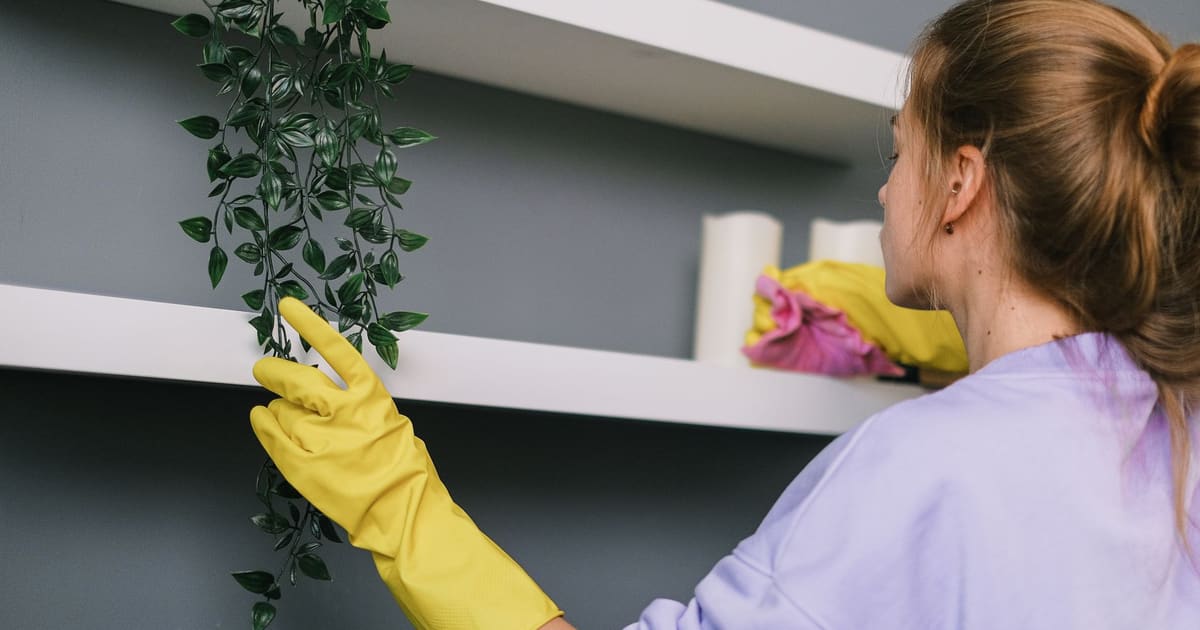
A standard clean maintains a home that is already in reasonably good shape -- routine surfaces, floors, bathrooms, kitchens, dusting, and trash removal, completed in two to four hours. A deep clean covers everything in a standard clean plus baseboards, inside appliances, grout and tile scrubbing, light fixtures, blinds, and areas behind or under movable furniture, typically taking four to eight hours or more.
What a Standard Clean Covers
A standard cleaning visit -- also called a maintenance clean or recurring clean -- is designed to keep a home that is already reasonably tidy looking and feeling fresh. Think of it as resetting the home back to a comfortable baseline after a week or two of normal use.
Most services include the following tasks in a standard visit:
- Vacuuming and mopping floors throughout
- Wiping kitchen counters, stovetop surfaces, and the exterior of appliances
- Cleaning the bathroom sink, toilet, tub or shower surround, and mirrors
- Dusting accessible surfaces: shelves, furniture tops, ceiling fan blades within easy reach
- Emptying trash and replacing liners
- Making or straightening beds (policies vary by service)
What a standard clean does not include is worth knowing before you book. Inside the oven, inside the refrigerator, grout lines, baseboards, window blinds, inside cabinets, and the floors and surfaces behind or under furniture are not on the standard checklist. These tasks require more time, more product, and more physical effort -- which is why they fall into the deep clean category.
Note
Many services have slightly different definitions of what counts as "standard." Before your first visit, ask for the written checklist the crew follows. A printed scope of work is the simplest way to avoid disappointment on either side.
Standard cleans are priced accordingly. According to HomeAdvisor / Angi cost surveys, a recurring standard clean for a typical two- to three-bedroom home runs roughly $100 to $200 per visit, depending on home size and local labor rates. Frequency discounts -- weekly or biweekly service costing less per visit than monthly -- are common. See How Much Does House Cleaning Cost? for a fuller breakdown by home size and region.
What a Deep Clean Covers
A deep clean is a thorough, top-to-bottom treatment of the home. It covers everything in a standard clean and then continues into areas that do not get touched on routine visits.
Tasks added in a deep clean
- Baseboards and door frames: wiped down and scrubbed of built-up grime
- Inside appliances: oven interior, inside the refrigerator, inside the microwave
- Grout and tile scrubbing: shower tile, bathroom floor grout, kitchen backsplash
- Light fixtures and ceiling fans: removed from accessible height and wiped down
- Blinds: individual slats cleaned, not just wiped as a unit
- Inside cabinets and drawers: emptied and wiped (on request, or as part of a move-out clean)
- Behind and under movable furniture: sofas moved, under-bed areas vacuumed and mopped
- Window sills and interior window frames
- Detailed bathroom and kitchen work: including drain cleaning, faucet polishing, and grout around the tub
The extra tasks mean a deep clean takes substantially longer. A standard visit for a 1,500-square-foot home might run two to three hours. The same home's deep clean is more likely to run five to seven hours. Crew size often increases as well, which affects cost.
According to HomeAdvisor / Angi, a one-time deep clean for an average-size home typically ranges from $200 to $400, though larger or more neglected homes can run considerably higher. For a detailed look at what drives that spread, see Deep Cleaning Cost: What to Expect.
Standard vs Deep Clean: Task Comparison
The table below summarizes the most common tasks by service type. Coverage varies by provider -- confirm with your specific service before booking.
| Task area | Standard clean | Deep clean |
|---|---|---|
| Floors (vacuum + mop) | Yes | Yes |
| Bathroom surfaces (sink, toilet, tub exterior, mirror) | Yes | Yes |
| Kitchen counters and stovetop | Yes | Yes |
| Exterior of appliances | Yes | Yes |
| Dusting accessible surfaces | Yes | Yes |
| Trash removal | Yes | Yes |
| Baseboards and door frames | No | Yes |
| Inside oven | No | Yes |
| Inside refrigerator | No | Yes |
| Grout and tile scrubbing | No | Yes |
| Light fixtures | No | Yes |
| Individual blind slats | No | Yes |
| Behind and under movable furniture | No | Yes |
| Inside cabinets and drawers | No | Yes (often on request) |
| Window sills and interior frames | No | Yes |
The line between the two types is not identical across every service. Some providers include baseboards in a standard clean; others charge a separate add-on fee. When you get a quote, ask the provider to walk through their checklist item by item so there is no ambiguity about what the price covers.
Cost and Time Differences
The cost gap between a standard and a deep clean is real, and understanding where it comes from helps you budget accurately.
Why deep cleans cost more
Deep cleaning tasks are physically harder and slower. Scrubbing grout by hand, removing oven grates and soaking them, disassembling light fixtures -- these tasks require sustained effort and sometimes specialty products. A crew that can complete a standard visit in two hours may need five or six hours for the same home's deep clean.
Labor is the primary driver of cleaning costs, so more hours means a proportionally higher bill. Some services also charge a premium for the deep clean scope separately from their recurring rate, treating it as a distinct product.
Typical cost ranges
As a rough guide based on HomeAdvisor / Angi survey data:
- Standard recurring clean, 2-3 bedroom home: $100 to $200 per visit
- One-time deep clean, 2-3 bedroom home: $200 to $400 per appointment
- Deep clean for a larger or more neglected home: $400 to $600 or more
These are national averages. Prices in high-cost metros such as New York, San Francisco, or Boston typically run 30 to 50 percent above the midpoint. Prices in smaller Midwestern or Southern markets often come in at or below the low end. See How Much Does House Cleaning Cost? for region-by-region context.
Pricing models also affect the math. Hourly vs Flat-Rate House Cleaning: Which Is Better? explains how to compare quotes when one company charges by the hour and another quotes a flat fee for the job.
Save by scheduling your deep clean at the start of recurring service
If you plan to hire a service on a weekly or biweekly basis, ask whether the provider bundles the first-visit deep clean into a package deal. Some services discount the deep clean when you commit to a recurring schedule upfront, since they know the ongoing revenue covers part of the setup cost.
The Standard Cadence: Deep Clean First, Then Maintain
One of the most practical things to understand about these two service types is how they fit together over time.
The typical pattern looks like this: a deep clean establishes a thorough baseline, and then standard recurring visits maintain that baseline going forward. The logic holds up well in practice. A home that receives a thorough first treatment is genuinely easier to maintain -- less built-up grime means shorter visits and more consistent results.
Key takeaway
The proven approach is to start with a deep clean, then shift to standard recurring visits. The deep clean brings the home to a high baseline; each standard visit keeps it there. Trying to maintain a home that has never been deep cleaned often means recurring visits that never quite get ahead of the accumulated buildup.
This cadence also reflects how most professional services price their work. A crew working in a home that is already well-maintained can complete a standard visit efficiently. A home that has skipped deep cleaning for years requires much more time on every surface, even on a "routine" visit -- which makes flat-rate pricing unprofitable for the service and frustrating for the client.
Many services require a first-visit deep clean before recurring service
Before agreeing to a recurring schedule, ask whether the service has a mandatory initial deep clean policy. This is standard practice at many professional cleaning companies. It is not a sales tactic -- it is how services ensure each recurring visit is achievable in the quoted time.
How to Decide Which You Need
The choice comes down to the current state of your home and what outcome you are looking for.
Start with a deep clean if...
You are booking a cleaning service for the first time. Even if the home looks reasonably tidy, areas like baseboards, grout, and the inside of appliances are almost certainly carrying months or years of accumulation. A deep clean addresses that properly.
The home has been unoccupied or neglected. A property that sat vacant, came out of a rental tenancy, or went several months without cleaning needs a deep clean to become genuinely maintainable. Standard visits on top of heavy buildup rarely produce good results.
You are doing a seasonal reset. Many households use a deep clean at the change of seasons -- particularly spring and fall -- to address the things that accumulate over three months of normal life.
You are preparing for a major event or guests. A deep clean before a holiday gathering or an extended family visit brings the home to a higher standard than routine maintenance can reach.
You are moving in or out. Move-in and move-out scenarios almost always call for a deep clean. For a full breakdown of what those situations typically involve and cost, see What to Expect at Your First House Cleaning.
Stick with a standard clean if...
Your home already receives regular professional cleaning. If a service visits every one to two weeks and the home is consistently maintained, a standard visit is appropriate. The baseline is already high.
You are between deep cleans. Most households that do a deep clean once or twice a year use standard visits in the intervals between. That is exactly what they are designed for.
Your goal is upkeep, not remediation. If the home is in good shape and you simply want to keep it that way without spending time on it yourself, standard recurring service handles the job.
Making the Choice in Practice
When you contact a cleaning service for a quote, tell them the current state of your home honestly -- how long since it was last professionally cleaned, whether there are pets, and any areas you know have accumulated buildup. A good service will tell you which type of clean makes sense and give you an itemized scope of work to confirm.
Get the checklist in writing before the crew arrives. This is the single most effective way to make sure expectations align. When the appointment is done, use the checklist to verify the work. If something was missed, a written scope makes the re-clean conversation straightforward.
Pricing models also shape how you compare quotes across providers. Some services quote deep cleans at an hourly rate; others quote a flat fee for the whole job. Hourly vs Flat-Rate House Cleaning: Which Is Better? walks through how to evaluate both structures so you are comparing apples to apples.
Request an itemized checklist from every provider you consider
Before you book, ask each service: "Can you send me the written checklist your crew follows for this type of clean?" A provider that cannot or will not produce one is giving you a warning sign. The checklist protects both parties and makes it easy to confirm the work was done.
The right choice depends on your home's current condition and your goals. Neither service type is universally better -- they serve different purposes at different stages. Start with an honest look at where your home stands right now, and the decision usually becomes straightforward.
Frequently asked questions
What is the difference between a deep clean and a standard clean?
A standard clean maintains a home that is already reasonably tidy -- floors, bathrooms, kitchen surfaces, dusting, and trash. A deep clean goes further: baseboards, inside appliances, grout scrubbing, light fixtures, blinds, and cleaning behind or under furniture. Deep cleans take longer and cost more.
How much more does a deep clean cost than a standard clean?
According to HomeAdvisor / Angi cost surveys, a standard recurring clean typically runs $100 to $200 per visit for an average-size home, while a one-time deep clean often ranges from $200 to $400 or more. Final price depends on home size, local labor rates, and the specific tasks included.
Do I need a deep clean before starting recurring service?
Many professional cleaning services require a first-visit deep clean before they will commit to a recurring schedule. This lets them bring the home to a consistent baseline so future standard visits can maintain that level efficiently. Ask about this requirement when you get a quote.
How often should I get a deep clean?
Most households that maintain regular standard cleaning schedule a deep clean one to four times per year -- often at seasonal turning points or before major events. Homes with pets, young children, or high traffic may benefit from a deep clean every two to three months.
What areas does a standard clean typically skip?
Standard cleans generally do not include inside appliances, grout scrubbing, baseboards, detailed blinds, inside cabinets, light fixtures, or cleaning behind and under movable furniture. These tasks are reserved for a deep clean and add significant time to the appointment.