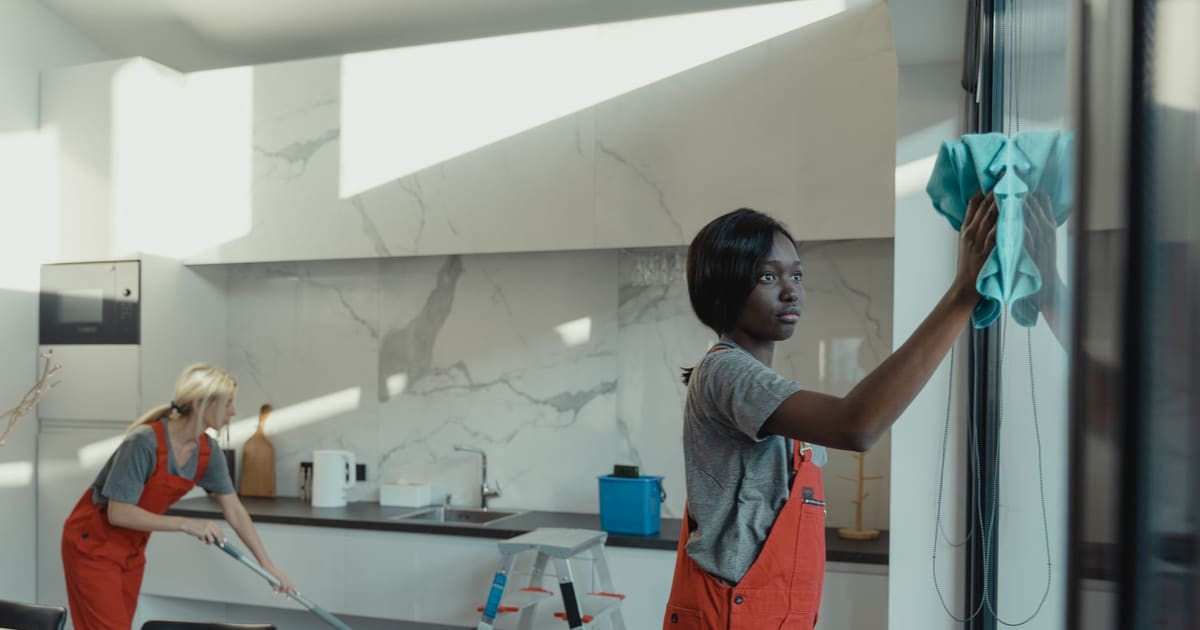
Professional tile and grout cleaning costs $0.50 to $3 per square foot, according to Angi and HomeGuide national cost data. A standard bathroom with 75 square feet of tile runs $300 to $500 for cleaning alone. Adding grout sealing after the clean typically adds $0.50 to $1.50 per square foot. Kitchen floor areas and entryways with heavier soiling land toward the top of the range.
What does tile and grout cleaning cost on average?
Angi and HomeGuide both put the national average for professional tile and grout cleaning at $284 to $676 for a whole-home scope, with per-square-foot rates running $0.50 to $3. The wide range reflects tile material, grout condition, and room accessibility. Fixr's 2024 cost research found an average project cost of $490 for single-room bathroom cleaning with sealing included.
Cleaners typically price by the square foot rather than by room, which makes comparison easier across different-size bathrooms and kitchens. On a per-room basis, the math works out to:
| Room type | Typical sq ft of tile | Estimated cost (cleaning only) |
|---|---|---|
| Small bathroom (shower + floor) | 40 - 60 sq ft | $175 - $300 |
| Standard bathroom (full tile) | 60 - 100 sq ft | $250 - $450 |
| Kitchen floor (vinyl or ceramic) | 100 - 150 sq ft | $300 - $600 |
| Entryway or mudroom | 30 - 50 sq ft | $125 - $200 |
| Whole-home floor tile | 300 - 600 sq ft | $600 - $1,200+ |
Estimates based on Angi and HomeGuide cost surveys; high-cost metros can run 25 to 40 percent above these figures.
Grout sealing, if added at the same appointment, costs $0.50 to $1.50 per square foot on top of the cleaning rate. Combining cleaning and sealing in a single visit is more efficient because the cleaner applies sealant to freshly cleaned, open-pore grout rather than soiled grout.
Tile material and how it affects cleaning cost
Not all tile responds the same way to cleaning methods, and the material directly affects which approach the cleaner uses and what they charge.
Ceramic and porcelain tile are the most common and the most forgiving. They can handle steam cleaning, high-pH alkaline cleaners, and rotary scrubbing. These are the least expensive to clean professionally and represent the baseline for most cost estimates.
Natural stone tile - travertine, marble, limestone, slate - requires specialized handling. Acidic cleaners etch the surface, and high-pressure steam can open pores in marble and limestone. Cleaners who work with natural stone use pH-neutral products and lower pressure equipment. Expect to pay 30 to 50 percent more than the ceramic baseline, and confirm the cleaner has stone-specific experience before booking.
Glazed decorative tile and mosaic tile have more grout lines per square foot than standard floor tile, which increases the time and cost per square foot. Heavily textured or embossed tile traps more soil in surface cavities, which also raises cleaning time.
If you have natural stone tile anywhere in your home - especially in a master bathroom or entryway - verify that the cleaner you book works with stone regularly. A ceramic-tile specialist using the wrong products on marble can cause permanent etching that costs far more to address than the original cleaning.
Grout cleaning vs. grout cleaning and sealing: what each costs
Cleaning and sealing are two distinct steps, and they serve different purposes.
Cleaning uses hot water extraction, steam, alkaline solutions, or rotary brush machines to remove embedded soil, mold, soap scum, and discoloration from the porous grout surface. A professional clean without sealing typically runs $0.50 to $2.50 per square foot, with bathrooms averaging $250 to $450.
Sealing applies a penetrating sealant to the grout after it has been cleaned and has dried. Sealant soaks into the porous grout and creates a barrier that makes future soiling easier to wipe away and slows re-staining. Adding sealing to a professional cleaning appointment costs $0.50 to $1.50 per square foot on top of the cleaning rate. For a 75-square-foot bathroom, that adds $37 to $112 to the total.
The practical case for sealing: grout left unsealed after professional cleaning re-soils faster because the pores are now open and receptive. If you are paying for a professional clean, skipping the seal often shortens the interval before you need to pay again. Most cleaning companies recommend sealing after every professional clean.
One exception: epoxy grout does not need sealing because it is non-porous by composition. Standard cement-based grout, which is what most homes have, does benefit from sealing.
Steam cleaning vs. hand cleaning vs. chemical treatment
Three methods dominate the professional tile and grout cleaning market. The right choice depends on tile material, grout condition, and how badly soiled the surfaces are.
Steam cleaning (hot water extraction) is the most common approach for ceramic and porcelain tile. Steam loosens embedded soil and kills mold without chemical residue. Drying time is minimal because less water is introduced into the grout than with wet scrubbing. It is not appropriate for natural stone, which reacts poorly to sustained heat and moisture.
Rotary brush or oscillating brush machines combine chemical cleaners with mechanical scrubbing to work product into grout channels and extract soil. Effective on heavily soiled grout but slower per square foot than steam. Some companies charge a higher rate for this method on badly neglected grout.
Chemical hand cleaning uses alkaline or oxygen-based cleaners applied with a brush, dwell time of 5 to 15 minutes, and then extraction. This is the most controlled method and the appropriate choice for delicate natural stone. It is also the most labor-intensive, which is why it costs more per square foot than steam on comparable tile.
For DIY comparison: consumer grout cleaners from a hardware store can handle light maintenance between professional visits. Oxygen-based grout cleaners applied with a stiff brush work reasonably well on surface discoloration. They do not replicate the deep extraction of professional equipment on embedded soil or mold.
Mold in grout: when you need a specialist and what it costs
Mold in bathroom grout is common and is not always a sign of a serious problem. Surface mold - the black or pink discoloration that appears along shower grout lines - is typically cleaned effectively by professional tile cleaners using steam and alkaline solutions.
Mold that has penetrated deep into the grout structure, extended behind wall tiles, or spread to drywall behind the tile is a different situation. At that point, standard tile cleaning is not the right service. You need a mold remediation specialist, not a tile cleaner, and the cost is substantially different - typically $500 to $3,000 or more depending on scope.
Signs that you may need remediation rather than cleaning: mold that returns within weeks of cleaning, grout that crumbles or feels soft when pressed, visible mold on grout along the bottom of shower walls at the tile-caulk junction, or a persistent musty smell that does not resolve after cleaning.
For ordinary bathroom grout discoloration that has built up over months of normal use, professional tile cleaning is the appropriate and effective solution.
How to tell when tile and grout need professional cleaning
Grout that looks uniformly discolored - particularly if it was originally white or light gray and is now brown or dark - is a reliable indicator that professional cleaning is needed. Regular mopping does not penetrate grout pores, so mopping alone cannot restore discolored grout.
Other indicators worth acting on:
- Shower grout that appears black, pink, or dark along lines that mopping has not addressed
- Grout lines that look visibly uneven in color - some sections darker than others - indicating deep embedded soil
- Floor tile that looks dull even after cleaning because the grout contrast is missing
- A smell in the bathroom that persists after cleaning the visible surfaces
Grout that has been neglected for three or more years without professional attention typically requires the most work and may not fully restore to original color. Managing expectations with the cleaner before the appointment helps - ask them to assess the likely outcome during the quote visit.
What to ask before booking a tile cleaning service
A few questions protect against common issues: unclear scope, wrong method for your tile, and price surprises.
- What tile materials do you work with - can you confirm you have experience with [my tile type]?
- Is steam cleaning appropriate for my tile, or would you recommend another method?
- What is your per-square-foot rate and how do you measure the area?
- Is grout sealing included or priced separately?
- Will cleaning restore the grout color or are there areas that may not respond?
- How long should I wait before the tile gets wet again after cleaning?
For more on preparing for any professional cleaning visit, see our guide on what to expect on your first cleaning. If you are considering professional cleaning as part of a move-out preparation, the deep cleaning cost guide covers scope and pricing for whole-home deep cleans that include tile.
Professional tile and grout cleaning is a legitimate investment when grout has passed the point where regular mopping addresses it. Knowing the per-square-foot rates for your tile type, asking the right questions about method, and adding sealing after a professional clean are the practical steps that get you the most durable result.
Frequently asked questions
How much does professional tile and grout cleaning cost?
Professional tile and grout cleaning typically costs $0.50 to $3 per square foot, based on Angi and HomeGuide cost data. An average bathroom of 50 to 100 square feet runs $300 to $500. Kitchens, larger floor areas, and heavily soiled grout push toward the higher end. Sealing adds $0.50 to $1.50 per square foot on top.
How often should tile and grout be professionally cleaned?
For most households, professional tile and grout cleaning every one to two years is sufficient alongside regular mopping. Bathrooms with heavy moisture and kitchen floors around a stove or sink may benefit from annual cleaning. Grout that has been sealed extends the interval because sealed grout resists staining and soiling better than unsealed grout.
Is grout sealing worth the extra cost?
Grout sealing is generally worth the cost when applied to freshly cleaned grout. Sealant costs $0.50 to $1.50 per square foot added to the cleaning price. It blocks moisture and staining agents from penetrating the porous grout surface, extending time between professional cleanings. Skipping sealing on an expensive clean often means the grout discolors faster.
Can professional tile cleaning restore discolored grout?
Professional cleaning removes surface staining and embedded soil from grout, which restores much of the original color in most cases. Deeply discolored or mold-stained grout may not fully recover through cleaning alone. In those cases, grout colorants or regrouting are the options. A reputable cleaner will tell you in advance what results to expect.
Can steam cleaners damage tile or grout?
Professional steam cleaning is safe for most ceramic and porcelain tile and does not damage properly cured grout. Natural stone tile - travertine, marble, slate - requires lower pressure and pH-neutral products because steam and acidic cleaners can etch the surface. Always confirm that the cleaner has experience with your specific tile material before booking.
What is the difference between cleaning and regrouting?
Cleaning removes dirt, mold, and staining from existing grout using pressure, steam, or chemical treatments. Regrouting removes the existing grout entirely and replaces it - a construction task, not a cleaning service. Cleaning is appropriate when the grout structure is intact but discolored. Regrouting is for grout that is cracked, crumbling, or missing in sections.