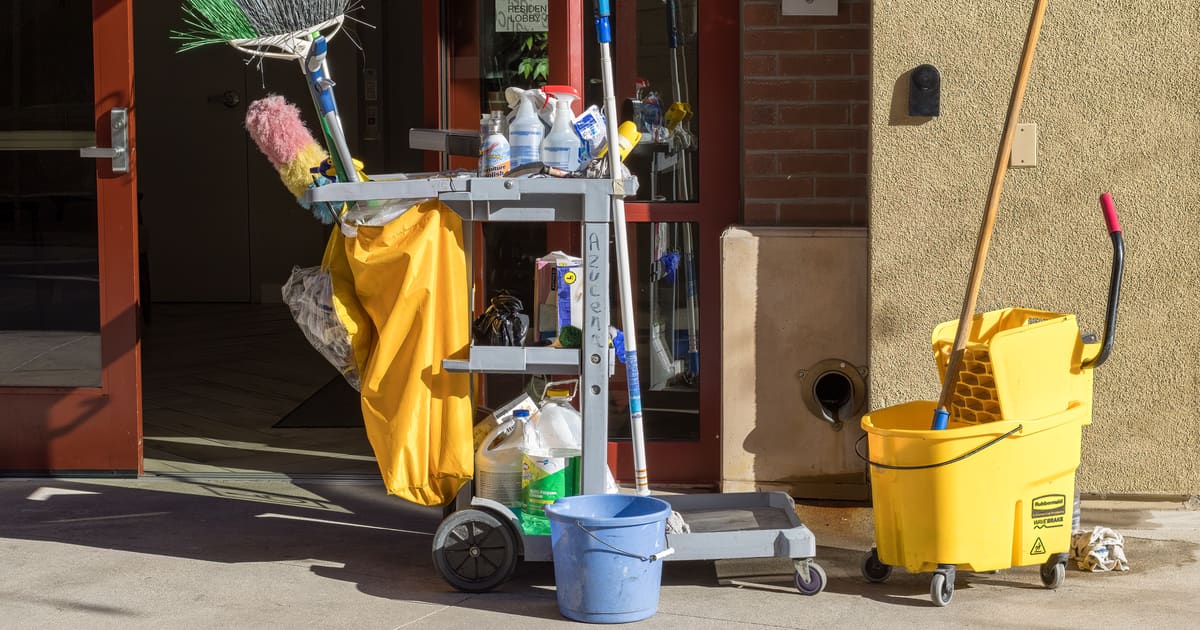
A move-out cleaning checklist is the single most practical tool a renter has for protecting their security deposit. Landlords inspect specific surfaces in a predictable sequence, and knowing that sequence lets you clean efficiently rather than guessing at what matters. This checklist covers every room and surface a typical landlord or property manager checks, in the order most professional move-out cleaning services work through them.
What landlords inspect at move-out (and what triggers deposit deductions)
Security deposit deductions are overwhelmingly for three things: cleaning, damage, and missing items. The cleaning category is the one renters have full control over, and it is also the most common reason for deductions.
Landlords and property managers walk a unit with the move-in inspection report in hand, comparing the current condition to the documented condition when you moved in. Surfaces that are visibly dirty, appliances that have grease or residue, carpets with staining, and bathrooms with mildew or soap scum are all fair targets for a cleaning charge.
The best protection is a two-step approach: clean thoroughly, then photograph and video every room before handing over keys. Date-stamped photos create a record that contradicts any claim that you left the unit dirty. Keep copies even after your deposit is returned, as some disputes arise weeks later.
If you are hiring a professional service, the cost for a move-out clean is typically $150 to $350 for a one-bedroom apartment and $250 to $500 or more for a larger home, according to HomeAdvisor and Angi cost survey data. Our full guide to move-out cleaning cost breaks down what the service scope includes and how prices vary.
Kitchen: appliances, cabinets, and fixtures
The kitchen gets the most scrutiny at move-out because it accumulates the most residue.
Appliances (each one):
- Oven: interior racks, oven floor, broiler drawer if present. Remove racks and soak if necessary. A professional oven cleaner and dwell time is more effective than scrubbing alone.
- Stovetop: burner grates (dishwasher-safe on most models), drip pans, and the surface under removable elements. Coil burners should be lifted to clean the pan beneath.
- Refrigerator: remove all contents, wipe all shelves and drawers, clean the door seal grooves, and vacuum the condenser coils if accessible at the bottom. Leave the refrigerator unplugged and propped open as your lease requires.
- Microwave: interior walls, ceiling, turntable, and door inner surface.
- Dishwasher: filter at the base, interior walls, and door seal.
Cabinets and drawers: every interior surface, shelf liner if you installed one (remove and dispose of it unless it was there at move-in), and cabinet faces front and sides.
Sink and faucet: basin, faucet handles, drain strainer, and the area behind the faucet where grease collects.
Countertops: wipe to bare surface including under small appliances and at the backsplash edge. Remove any adhesive residue from shelf liners or contact paper.
Floors: sweep, then mop with appropriate cleaner for the floor type.
Bathrooms: grout, toilet, fixtures, and exhaust fan
Bathrooms are the second area of high inspection focus. The sequence matters: clean from top to bottom to avoid re-dirtying surfaces.
Exhaust fan: remove and wash the cover. Vacuum the fan housing inside. A fan cover clogged with lint and dust is one of the first things a thorough property manager notices.
Shower and tub: tile and grout scrub to remove mildew and soap scum. The grout between tiles discolors over time and cleaning it shows effort; the landlord will notice whether grout lines are clean or gray with buildup. Showerhead face should be cleaned; if it has significant mineral buildup, soaking in white vinegar overnight dissolves most of it. Clean the caulk line along the tub surround; mold in the caulk is difficult to clean and may be considered damage if severe.
Toilet: under the rim, bowl, base, and the floor around the base. The toilet seat should be removed if possible to clean underneath the hinges.
Vanity and sink: faucet handles, basin, and the drain. Open under-sink cabinet and wipe the interior.
Mirrors and fixtures: streaks on mirrors and visible mineral deposits on faucet fixtures are easy inspection items. Both respond to a microfiber cloth and appropriate cleaner.
Floor: particularly the area behind the toilet and at the base of the tub, which collect residue from normal use.
Bedrooms and living areas: walls, floors, and closets
Bedrooms and living areas are lower-risk than kitchens and bathrooms, but several specific items attract landlord attention.
Walls: remove all nails and patch small holes with spackling compound, then lightly sand and touch up paint if you have the original paint color. Scuff marks from furniture are normal wear and tear in most states; significant scuffs or marks should be cleaned with a magic eraser or repainted. Wall-mounted items that caused damage to drywall beyond a nail hole are worth repairing before move-out.
Baseboards: one of the most overlooked surfaces, and one that experienced property managers check specifically because tenants rarely clean them. A damp cloth removes the dust and buildup that accumulates along baseboards over a tenancy.
Closets: interior shelves, closet floor, and the rod. Remove any hooks or shelf additions you installed and patch the attachment points.
Ceiling fans and light fixtures: wipe fan blades and the light fixture covers. Burned-out bulbs should be replaced.
Floors: vacuuming alone is not sufficient for a move-out; follow with a mop on hard floors. For carpet, see the section below.
Take Move-Out Photos and Video Immediately After Cleaning
Walk through the unit with your phone camera after cleaning, before your final departure. Record a continuous video of each room and photograph close-ups of surfaces you cleaned thoroughly (oven interior, grout lines, baseboards). Date and time stamps are built into modern phone cameras. These files are your evidence if a deduction is contested. Send a copy to your own email so it is timestamped on a third-party server.
Windows, blinds, and window tracks
Interior window surfaces should be wiped clean of fingerprints and residue. The window tracks are frequently missed and visibly show dirt and debris when the window is open during inspection. A vacuum crevice attachment followed by a damp cotton swab or small brush cleans most tracks effectively.
Horizontal blinds accumulate dust that is visible when tilted to the light. Wipe each slat front and back, or remove blinds and wash them in the tub.
Vertical blinds and curtains that were present at move-in should be in clean condition at move-out. If the unit came with curtains that you washed or dry-cleaned, keep the receipt.
Carpet: professional cleaning requirements in leases
Carpet is a common source of deposit disputes. There are two separate questions: whether your carpet is dirty enough to justify a deduction, and whether your lease specifically requires professional carpet cleaning.
If your lease says professional carpet cleaning is required regardless of condition, you need a professional receipt. Some landlords use this clause even when the carpet is in good condition because the lease makes it non-negotiable. Read your lease before assuming you can skip professional service.
If your lease does not require professional cleaning but the carpet has visible staining, heavy soiling, or pet odors, professional cleaning is in your financial interest: the cost of a professional visit ($80 to $200 for an apartment) is almost always less than a deduction for replacement or remediation.
Normal carpet wear -- light impressions from furniture, gradual pile compression from regular foot traffic -- is typically not deductible. Fresh stains, pet urine, and significant soiling are deductible. Our carpet cleaning cost guide covers what different methods cost and what they address.
Final walkthrough: what to check before handing over the keys
Do a final walk-through after all cleaning is complete and before you hand over the keys. Use this sequence:
- All appliances clean and in working order, refrigerator emptied and unplugged or turned to the off position per lease instructions
- All light fixtures have working bulbs
- All personal property removed, including items in storage areas, garage, and outdoor spaces
- No nails or hooks left in walls; holes patched and touched up
- All keys (unit, mailbox, garage) accounted for
- No trash left in the unit or immediately outside the unit (verify trash collection requirements for your last day)
- HVAC filter checked if your lease requires you to replace it on move-out
- All personal cleaning products and supplies removed from the property
Take your final video and photos after the last walk-through and before the keys leave your hand.
When to hire a professional vs. do it yourself
The DIY vs. professional calculation for move-out cleaning comes down to time, condition, and the specific requirements of your lease.
DIY is practical when: the unit is in good condition with regular maintenance, you have a full day available before the move-out date, and your lease has no professional cleaning requirement. A well-maintained one-bedroom apartment can be move-out ready with six to eight hours of focused effort by two people.
Professional service makes sense when: the unit has not been deeply cleaned in a long time, there is carpet that needs professional-grade extraction, you are under time pressure, or your lease specifically requires a professional cleaning receipt. The cost of a professional move-out service -- $150 to $400 depending on size and condition -- is typically recoverable from the deposit when the alternative is a cleaning deduction of the same or greater amount.
For comprehensive cost and scope guidance, see our deep cleaning cost guide and our overview of what professional apartment cleaning typically runs.
Do Not Wait Until the Day Before Your Move-Out Date
Move-out cleaning takes longer than most renters expect, especially for appliances and bathrooms that have accumulated over a full tenancy. Allow at least two full days before your move-out date for cleaning, one day for the cleaning itself and one day as a buffer for anything that needs a second pass or professional scheduling. Last-minute professional cleaning bookings are harder to secure and sometimes carry a premium.
Frequently asked questions
Do I have to hire a professional cleaner to get my deposit back?
Most leases require the unit to be returned in the same condition it was received, not necessarily cleaned by a professional service. Whether you hire out or do it yourself, the standard is the result, not the method. Some leases specifically require professional carpet cleaning -- read your lease before assuming DIY is sufficient.
What cleaning can a landlord legally deduct from my security deposit?
Landlords can deduct for cleaning needed to restore the unit to move-in condition beyond normal wear and tear. Dirty appliances, heavily soiled carpets, grease-coated surfaces, and damaged items are fair deductions. Scuff marks on walls, minor carpet wear from normal use, and small nail holes are typically not deductible in most states.
How clean does a rental need to be at move-out?
The legal standard in most US states is that the unit should be returned in the same condition as received, accounting for normal wear and tear. In practice, this means all surfaces should be clean, appliances should be functional and clean, and nothing should require damage-level remediation. When in doubt, err on the side of thorough.
How long do I have to clean after moving out?
Lease terms vary, but most require the unit to be cleaned and keys returned on or before the lease end date. In most US states, landlords have 14 to 30 days after move-out to return your deposit or provide an itemized list of deductions. Do not assume you have extra time after the official move-out date.
Can my landlord charge for cleaning if I leave the home spotless?
If you leave the unit in genuinely clean condition and have documentation (photos and video of every room on move-out day), a landlord charging for cleaning has a harder case to make. In states with strong tenant protections, charging for cleaning a clean unit is an improper deduction. Document everything on the day you hand over keys.
What is the difference between normal wear and tear and damage?
Normal wear and tear includes minor scuff marks, light carpet wear from regular foot traffic, small nail holes from picture hanging, and gradual fading of paint. Damage includes stains, burns, large holes in walls, broken fixtures, and significant carpet soiling that requires professional remediation. The line matters because landlords can deduct for damage but not for normal wear.