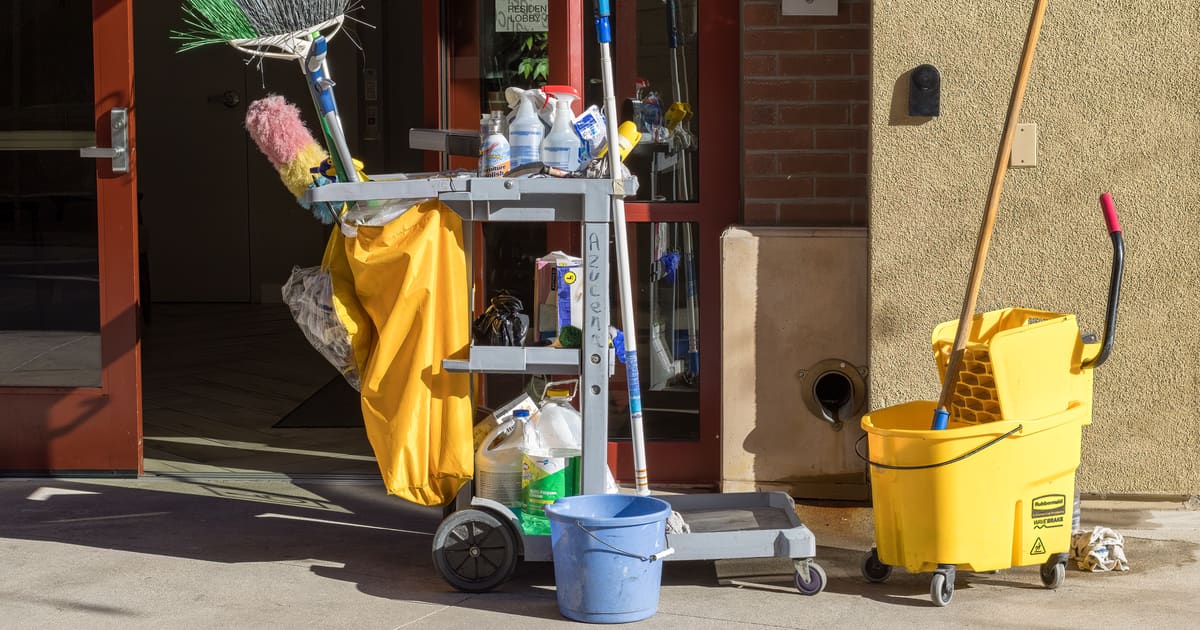
Spring cleaning is different from a standard maintenance clean because the goal is to address what accumulated over the winter months: dust on high surfaces, grease in the kitchen, grime on windows, and buildup in appliances that run all year. A thorough spring clean, whether you do it yourself or hire out, typically takes a full day for a three-bedroom home and covers surfaces that most regular cleaning visits skip entirely.
What makes spring cleaning different from regular maintenance?
Regular cleaning -- weekly or biweekly -- maintains surfaces that are already reasonably clean. Spring cleaning is restorative: it addresses what was not reached during normal maintenance, reverses the buildup from closed-up winter months, and puts the home in genuinely clean condition heading into a season when windows open and guests visit more frequently.
The practical difference shows up in the task list. Regular cleaning covers floors, bathrooms, kitchen counters, and quick dusting. Spring cleaning adds interior oven cleaning, refrigerator coils, cabinet faces and interiors, window tracks and sills, baseboard scrubbing, ceiling fan blades, light fixture covers, vent covers, and the tops of cabinets. These surfaces can go months without attention and visibly show it by March.
If you are deciding whether to hire out, the comparison matters: a standard cleaning visit at $100 to $150 is not the right tool for spring cleaning. You would need a deep-clean booking, which HomeAdvisor and Angi data puts at $200 to $400 for a three-bedroom home. The scope justifies the different price tier.
Kitchen: the spring cleaning tasks most people skip
The kitchen accumulates grease and residue faster than any other room, and much of it hides in places that regular cleaning skips.
Work top to bottom. Start with cabinet tops (they collect grease-coated dust). Move to cabinet faces, then cabinet interiors. Pull out small appliances like the toaster and coffee maker, clean the surfaces underneath, and wipe down the appliances themselves. The refrigerator deserves specific attention: the coils at the bottom or back collect dust that makes the compressor work harder -- a vacuum attachment handles it in five minutes. The interior should be emptied and wiped shelf by shelf, including the door seals where mold grows quietly.
The oven interior is worth a dedicated scrub if it has not been cleaned since fall. Built-in oven-cleaning cycles are effective but leave residue; a manual scrub with appropriate oven cleaner typically produces better results. The range hood filter should be removed and soaked in degreaser.
The dishwasher filter at the base of the machine is cleaned by fewer than one in three households, according to appliance service data, and a spring clean is the right moment to do it.
Bathrooms: grout, tiles, and ventilation fans
Bathrooms need the same top-to-bottom approach. The exhaust fan is the task most homeowners skip: unscrew the cover, wash it, and vacuum the fan housing inside. A clogged exhaust fan does not move moisture effectively, which contributes to the mold growth it is supposed to prevent.
Grout lines in tile shower surrounds and bathroom floors accumulate mildew even with regular cleaning, because standard cleaning products sit on the surface without penetrating the porous grout. Spring is the right time for a proper grout scrub with a stiff brush and an appropriate grout cleaner, followed by a sealant application if the grout has not been sealed recently. Grout sealing takes about 20 to 30 minutes per bathroom and adds meaningful protection for the year ahead. Our guide to tile and grout cleaning cost covers when hiring out makes more sense than DIY.
Remove the toilet tank lid and clean the interior. Wipe down the toilet base and the floor around it thoroughly. Clean the inside of medicine cabinets and bathroom vanity drawers.
Bedrooms and living spaces: mattresses, upholstery, and curtains
Bedrooms accumulate dust mites and allergens throughout the winter in ways that standard vacuuming does not address. Spring is the practical moment to tackle these surfaces.
Strip and wash the mattress cover, pillow protectors, and any decorative pillows. Flip or rotate the mattress according to the manufacturer's instructions. Vacuum the mattress surface, sides, and any tufting with an upholstery attachment to remove dust and debris. If a mattress has not been professionally cleaned and shows any staining or persistent odor, this is a reasonable time to book a professional service.
Wash or dry-clean curtains and drapes. Vacuum sofa and upholstered chair cushions, removing them to vacuum underneath. Wipe down headboards, nightstands, and the tops and sides of furniture that standard weekly dusting does not reach.
Ceiling fan blades collect visible dust through the winter that falls onto surfaces when the fan is turned on in spring. Wipe each blade before running it for the first time in warm weather.
Address Carpets Before Furniture Goes Back Into Position
If you are doing a thorough spring clean that involves moving furniture to reach floors, schedule any professional carpet cleaning for after the furniture has been moved and before it goes back. You get more carpet cleaned for the same visit price, and the cleaning happens before you put anything back down. See what full-home carpet cleaning typically costs in our carpet cleaning cost guide.
Windows, gutters, and exterior tasks: what to book out
Interior window cleaning is manageable for most homeowners as a DIY task, though a professional service produces better results on windows above the ground floor or on homes with high windows over entry areas. Exterior window cleaning, particularly above the first floor, is worth hiring out for most households -- the combination of height, ladder work, and water pressure equipment required makes it a reasonable safety trade-off. See typical prices in our window cleaning cost guide.
Gutters should be cleaned in late winter or early spring before the heaviest rainfall season. A single-story home with clear gutter access is a feasible DIY task; multi-story homes or homes with rooflines that require significant ladder repositioning are safer and easier to hire out. Our gutter cleaning cost guide breaks down what professional service typically runs by home size and story count.
Pressure washing driveways, decks, and home exteriors is a popular spring task that produces immediate visible results. A standard gas pressure washer rents for $50 to $90 per day and handles most residential surfaces. Professional service is worth considering for larger surfaces, delicate siding materials, or situations where the prep and cleanup logistics of renting are more hassle than the service cost.
HVAC and dryer vents: the safety tasks on the spring list
Two tasks appear on spring cleaning lists that carry consequences beyond cleanliness if skipped.
Dryer vent cleaning should be done once a year for most households and is most commonly skipped in spring and fall. A clogged dryer vent is a documented fire hazard: the U.S. Fire Administration reports that dryer fires cause roughly 2,900 home fires annually, and failure to clean the vent is the leading cause. A professional dryer vent cleaning runs $80 to $185, according to HomeAdvisor data. The DIY alternative requires a dryer vent brush kit and roughly 30 to 45 minutes. Either approach handles the task; the important thing is that it actually happens.
Air duct cleaning is a different calculation. The EPA explicitly states that duct cleaning is not recommended as a routine service and should only be done when there is visible mold, evidence of pest infestation, or significant debris blockage. Marketing claims that routine duct cleaning improves air quality in unaffected systems are not well-supported by the available evidence. Spring is not a universal reason to clean ducts; a home that had water damage, construction work, or a pest problem over the winter is a different story.
When to hire a professional for spring cleaning vs. DIY
The practical split is not about ability -- most people can physically do all of these tasks. It is about time, equipment, and what each approach actually costs.
A professional spring deep clean for a three-bedroom home runs $200 to $400. The same scope done entirely by a homeowner on a weekend is free but takes a full day or more, often two days for a thorough job, and assumes the availability of the right tools (extension dusters, grout brushes, appliance coil vacuums, etc.).
The hybrid approach most people land on: do the accessible interior tasks yourself (cabinets, appliances, surfaces, curtains) and hire out the labor-intensive exterior and specialty tasks (carpet, windows, gutters, dryer vent). This keeps the professional cost manageable while covering the tasks where a professional genuinely produces better results or where DIY carries inconvenience or safety trade-offs.
Do Not Confuse a Standard Clean With a Deep Clean When Booking
If you call a cleaning service and ask for "a good spring cleaning," be explicit about what that means. A standard visit is priced and scoped differently from a deep clean. Many homeowners have reported being disappointed when a standard-rate booking did not include oven cleaning, refrigerator coils, or interior cabinets. Ask specifically what the scope includes before confirming the booking and the price. See the full cost breakdown in our deep cleaning cost guide.
How to set a spring cleaning schedule that actually gets done
The most reliable approach is to break the work into two or three sessions over two weekends rather than attempting a single marathon day. The reason is simple: a single-day all-home effort is exhausting, often runs short of time, and results in the second half of the house getting less attention than the first half.
A workable three-session split: Session one covers the kitchen and bathrooms. Session two covers bedrooms and living spaces plus laundry tasks (curtains, pillow covers, mattress). Session three covers the exterior tasks and any hired-out professional services.
Mark dryer vent cleaning and gutter cleaning on the calendar with a specific date, not just as a vague intention. These are the tasks most commonly moved to next season indefinitely. Setting a date means they get done.
For recurring maintenance after the spring clean, a biweekly professional cleaning service keeps the home at a level where next year's spring clean is a much lighter lift. Our guide on recurring cleaning service cost covers what that looks like.
Frequently asked questions
What is typically included in a professional spring cleaning service?
A professional spring cleaning covers everything a standard maintenance visit does, plus the deeper tasks that accumulate over winter: interior windows, baseboards, cabinet faces, refrigerator coils, oven interior, ceiling fans, light fixtures, and vent covers. Most services also clean behind and under appliances if accessible.
How long does a professional spring cleaning take?
A professional spring cleaning of a three-bedroom home typically takes four to six hours for a team of two. A single cleaner working alone may take six to eight hours for the same scope. Larger homes or homes with more condition-related buildup will run longer. Get a time estimate alongside your quote.
How much does spring cleaning cost if I hire out?
A professional spring cleaning is typically priced like a deep clean: $200 to $400 for a three-bedroom home, according to HomeAdvisor and Angi cost survey data. Larger homes or those with significant buildup from a long winter can run higher. The scope is broader than a standard maintenance visit, which drives the price.
What order should I clean rooms in during spring cleaning?
Start at the top of each room (ceiling fans, light fixtures, shelves) and work downward so debris lands on surfaces you have not yet cleaned. Move room by room rather than task by task. Most professionals start in the kitchen or primary bathroom, then work through bedrooms and living areas, finishing with floors throughout.
How often should I do a whole-home deep clean?
The IICRC and most professional cleaning organizations recommend a thorough deep clean once or twice a year for most households. Spring and fall are natural anchors. Households with pets, young children, or allergy sufferers benefit from doing it more frequently, closer to quarterly, because allergen accumulation happens faster.
What spring cleaning tasks are most often skipped?
The most commonly skipped spring tasks are dryer vent cleaning, refrigerator coil vacuuming, washing machine drum cleaning, window track scrubbing, grout sealing, and air vent cover removal for washing. These are also the tasks where buildup creates the most real downstream consequences: fire risk, appliance inefficiency, and mold growth.